How Is Decaf Coffee Made?
How Is Decaf Coffee Made?
Contents
- What You’ll Need
- Step-by-Step
- Tips for Brewing Decaf Coffee
- Common Mistakes to Avoid
- Variations in Decaf Coffee Brewing
- FAQs
Decaf coffee is made by removing caffeine from green coffee beans before roasting using one of several methods. The most common techniques include chemical solvents, carbon dioxide (CO₂), and water-based processes like the Swiss Water® Process. While decaf isn’t 100% caffeine-free, it typically contains 97–99.9% less caffeine than regular coffee, making it a great option for those reducing caffeine intake.
Decaffeination impacts flavor, with some methods preserving origin characteristics better than others. Let’s explore the processes, what you’ll need to brew decaf, and how to make it at home.
What You’ll Need
To brew decaf coffee at home, gather the following:
- Decaf coffee beans: Choose a high-quality, chemical-free option if possible (e.g., Swiss Water® or CO2-processed).
- Grinder: Freshly grind your beans for the best flavor.
- Water: Use filtered water for a cleaner taste.
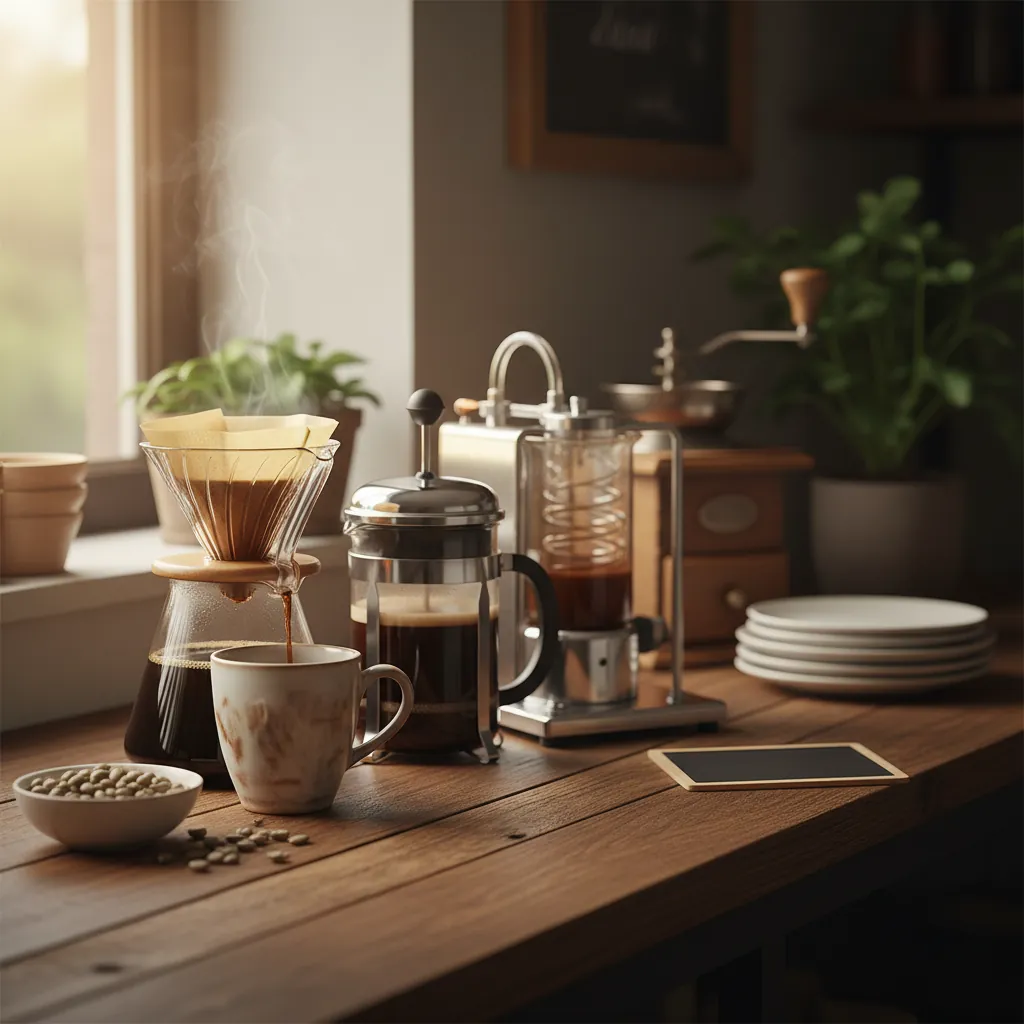
- Coffee maker: Choose your preferred method (e.g., drip, French press, or AeroPress).
- Coffee-to-water ratio: A standard ratio is 1:15 (1g coffee to 15g water).
Step-by-Step
Follow these steps to brew decaf coffee:
- Measure your coffee: Use 15–20g of decaf coffee per 250ml of water.
- Grind your beans: Aim for a grind size matching your brewing method (e.g., medium for drip, coarse for French press).
- Heat your water: Bring it to 90–96°C (195–205°F).
- Brew: Use your chosen method and brew for the recommended time (e.g., 4 minutes for French press).
- Serve: Pour your coffee into a cup and enjoy.
Tips for Brewing Decaf Coffee
· Store decaf beans in an airtight container away from light and heat.
· Consume decaf within 2–3 weeks of opening to avoid oxidation.
· Experiment with brewing methods to find your preferred flavor profile.
Common Mistakes to Avoid
· Using stale or pre-ground beans: Decaf oxidizes faster than regular coffee.
· Over-extracting: Decaf can taste flat if brewed too long.
· Using low-quality beans: Opt for specialty decaf to ensure better flavor.
Variations in Decaf Coffee Brewing
· Cold brew: Steep decaf grounds in cold water for 12–24 hours for a smooth, low-acid coffee.
· Espresso: Use a finer grind and higher pressure for a decaf espresso shot.
· Pour-over: Highlight delicate flavors with a manual pour-over method like the Hario V60.
FAQs
Does decaf coffee still contain caffeine?
Yes, but significantly less—typically 2–7mg per cup compared to 70–140mg in regular coffee.
Is decaf coffee healthier than regular coffee?
Both offer similar health benefits, as most benefits come from compounds other than caffeine.
What is the best method for decaffeination?
The CO2 and Swiss Water® methods are considered the best for preserving flavor and avoiding chemicals.
Does decaf coffee taste different?
Yes, it tends to be smoother and less bitter, but high-quality decaf can retain origin characteristics.
How should I store decaf coffee?
Keep it in an airtight container in a cool, dark place and use it within a few weeks.
Related guides
- Aeropress Brew Guide
- How to Brew Coffee with an AeroPress: A Complete Guide
- ☕ AeroPress Coffee Brewing Guide
- How to Make an Iced Americano: A Simple, Refreshing Coffee Drink
- Coffee Grind Size: The Complete Guide for Every Brewing Method