How to Make Coffee Less Bitter
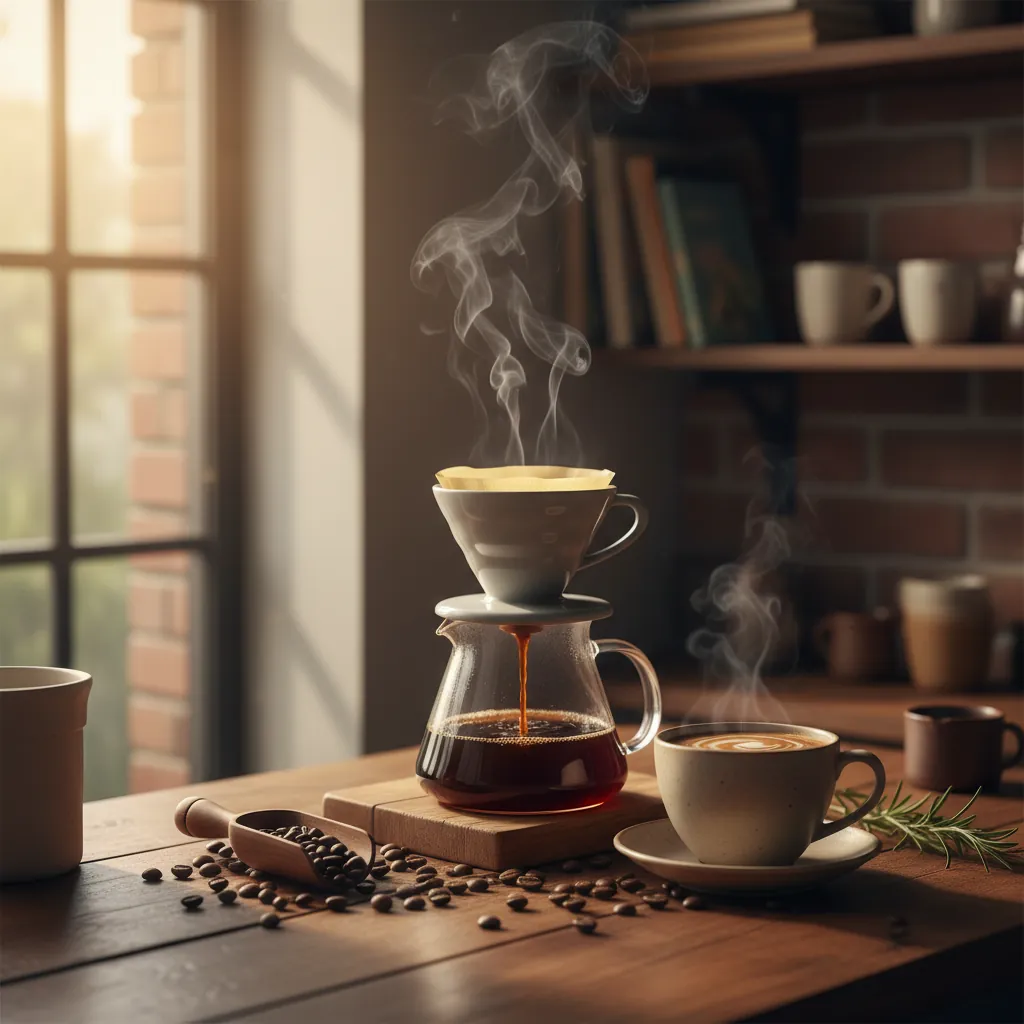
How to Make Coffee Less Bitter
Contents
To make coffee less bitter, adjust your brewing process by using fresh, high-quality beans, controlling water temperature (195°F–200°F), avoiding over-extraction, and experimenting with grind size. Additives like a pinch of salt or cream can also reduce bitterness. For cold brew, use a coarse grind and steep for 12–16 hours. Pour-over enthusiasts should focus on center pouring for a sweeter, less bitter cup.
Coffee bitterness often stems from over-extraction, incorrect grind size, or poor-quality beans. By tweaking these factors and incorporating simple techniques, you can enjoy a smoother, more balanced cup of coffee without added sugar.
What You’ll Need
- Freshly roasted coffee beans (medium roast recommended)
- Burr grinder (for consistent grind size)
- Filtered water (soft water preferred)
- Coffee maker (e.g., French press, pour-over, AeroPress)
- Gooseneck kettle (for precise pouring)
- Kitchen scale (for accurate measurements)
Coffee Amount & Grind:
- Medium grind for drip coffee or pour-over
- Coarse grind for French press or cold brew
Water Ratio:
- 1:15 to 1:17 coffee-to-water ratio (e.g., 25g coffee to 375g water)
Step-by-Step
- Measure & Grind: Weigh 25g of coffee beans and grind to medium consistency.
- Heat Water: Bring filtered water to 195°F–200°F.
- Bloom Coffee: Pour 40–50ml of water over grounds, letting it bloom for 30–40 seconds.
- Pour Slowly: Use a gooseneck kettle to pour water in a tight circular motion over the center of the grounds.
- Brew Time: Allow coffee to brew for 3.5 minutes for drip or pour-over.
- Serve: Remove the filter or press the plunger and serve immediately.
Tips
- Use fresh beans and store them in an airtight container.
- Avoid over-steeping; stick to recommended brew times.
- Experiment with adding a pinch of salt to reduce bitterness.
Common Mistakes
- Using water that’s too hot or too cold.
- Grinding beans too finely or too coarsely.
- Over-extracting by brewing for too long.
- Using stale or low-quality beans.
Variations
- Cold Brew: Use a coarse grind and steep in cold water for 12–16 hours.
- AeroPress: Brew cold coffee in minutes with reduced bitterness.
- French Press: A forgiving method that’s harder to over-extract.
FAQ
What causes coffee to taste bitter?
Bitterness results from over-extraction, incorrect grind size, or using overly dark roasted beans.
Can I add salt to coffee to reduce bitterness?
Yes, a pinch of salt can neutralize bitterness without making the coffee taste salty.
What’s the best water temperature for brewing coffee?
195°F–200°F is ideal for extracting balanced flavors without harshness.
How do I make cold brew less bitter?
Use a coarse grind, steep for 12–16 hours, and dilute with water or milk before serving.
Does grind size affect bitterness?
Yes. Finer grinds extract more bitterness, while coarser grinds produce smoother coffee.
Related guides
- Aeropress Brew Guide
- How to Brew Coffee with an AeroPress: A Complete Guide
- ☕ AeroPress Coffee Brewing Guide
- How to Make an Iced Americano: A Simple, Refreshing Coffee Drink
- Coffee Grind Size: The Complete Guide for Every Brewing Method