Light Roast vs Medium Roast Coffee: What's the Difference?
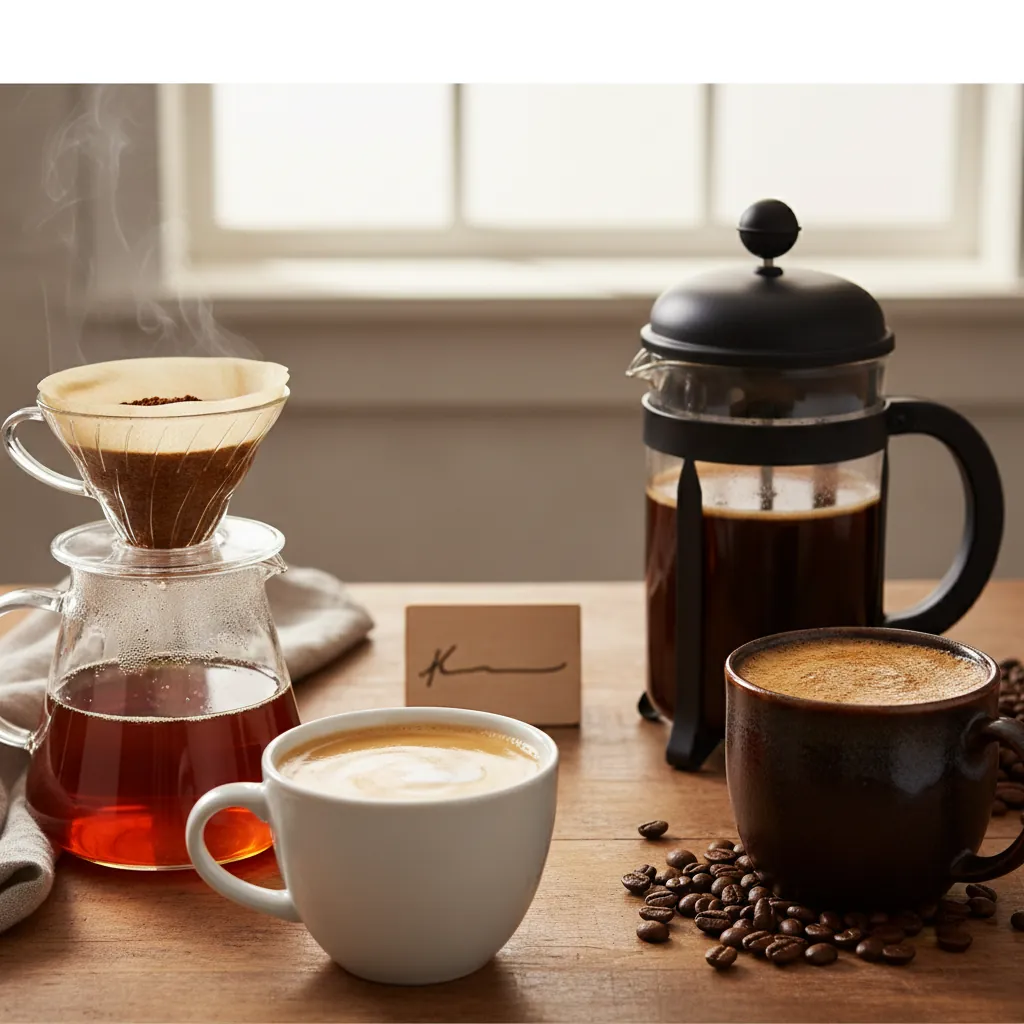
Light Roast vs Medium Roast Coffee: What’s the Difference?
Contents
- What You’ll Need
- Step-by-Step
- Light Roast vs Medium Roast: Comparison Table
- Tips for Brewing Light and Medium Roasts
- Common Mistakes to Avoid
- Variations
Light roast and medium roast coffees differ in flavor, acidity, body, and caffeine content. Light roasts are bright, acidic, and retain more origin flavors, while medium roasts offer a balanced cup with smoother acidity, fuller body, and more caramel or chocolate notes. Neither is inherently better—your choice depends on personal taste and brewing method.
What You’ll Need
- Coffee Beans: Light roast or medium roast, freshly roasted (within 2 weeks of roast date).
- Grinder: Burr grinder for consistent grind size.
- Grind Size: Medium-coarse for French press, medium for drip, fine for espresso.
- Coffee Amount: 1-2 tablespoons per 6 ounces of water (adjust to taste).
- Water: Filtered water heated to 195-205°F (90-96°C).
- Brewing Equipment: Pour-over, French press, drip machine, or espresso machine.
Step-by-Step
- Weigh Your Coffee: Use a scale to measure 1-2 tablespoons of coffee per 6 ounces of water.
- Grind Fresh: Grind your beans to the appropriate size for your brewing method.
- Heat Water: Bring filtered water to 195-205°F.
- Bloom the Coffee: Pour a small amount of water over the grounds and let it sit for 30 seconds to release CO₂.
- Brew: Add the remaining water in a slow, steady pour or let it steep, depending on your method.
- Enjoy: Serve immediately and savor the flavors.
Light Roast vs Medium Roast: Comparison Table
| Feature | Light Roast | Medium Roast |
|---|---|---|
| Roast Temperature | 385-410°F (196-210°C) | 410-430°F (210-221°C) |
| Bean Color | Light brown, dry surface | Medium brown, slight oil sheen |
| Flavor Profile | Bright, acidic, floral, fruity | Balanced, smooth, caramel, chocolate |
| Body | Light, tea-like | Medium, fuller-bodied |
| Caffeine Content | Slightly higher | Slightly lower |
| Best Brewing Methods | Pour-over, drip, AeroPress | French press, drip, espresso |
Tips for Brewing Light and Medium Roasts
- Light Roast: Use a pour-over or drip method to highlight its bright acidity and complex flavors.
- Medium Roast: French press or espresso works well to bring out its sweetness and body.
- Water Temperature: Avoid boiling water to prevent bitterness.
- Bloom Time: Let the coffee bloom for 30 seconds to enhance flavor extraction.
Common Mistakes to Avoid
- Using Stale Beans: Coffee loses flavor quickly after roasting. Use beans within 2 weeks.
- Incorrect Grind Size: Too fine or too coarse can lead to over- or under-extraction.
- Boiling Water: Use water at 195-205°F to avoid scorching the coffee.
- Skipping the Bloom: This step releases gases for better flavor extraction.
Variations
- Cold Brew: Ideal for medium roasts, as it highlights their sweetness and smoothness.
- Espresso: Medium roasts work well, but light roasts can add brightness to milk-based drinks.
- French Press: Best for medium roasts, but light roasts can be refreshing with longer steeping.
FAQ
What’s the difference between light and medium roast coffee?
Light roast is brighter and more acidic, with floral and fruity notes. Medium roast is balanced, smoother, and often has caramel or chocolate flavors.
Does light roast have more caffeine?
Yes, light roast retains slightly more caffeine because it’s roasted for a shorter time.
Which roast is better for pour-over coffee?
Both work, but light roast showcases delicate flavors better.
Is medium roast less bitter?
Generally, yes. Medium roast balances acidity and sweetness, making it smoother.
How do I choose the right roast?
Experiment! Try light roast for bright, complex flavors and medium roast for a balanced, approachable cup.
Related guides
- How to Store Coffee Beans for Maximum Freshness
- How to Store Ground Coffee for Optimal Freshness
- Light Roast vs. Dark Roast Coffee: Flavor, Caffeine, and Brewing Guide
- How to Brew Coffee with an AeroPress: A Complete Guide
- Coffee Grind Size: The Complete Guide for Every Brewing Method