Over-Extracted vs Under-Extracted Coffee: How to Brew Perfectly Balanced Coffee
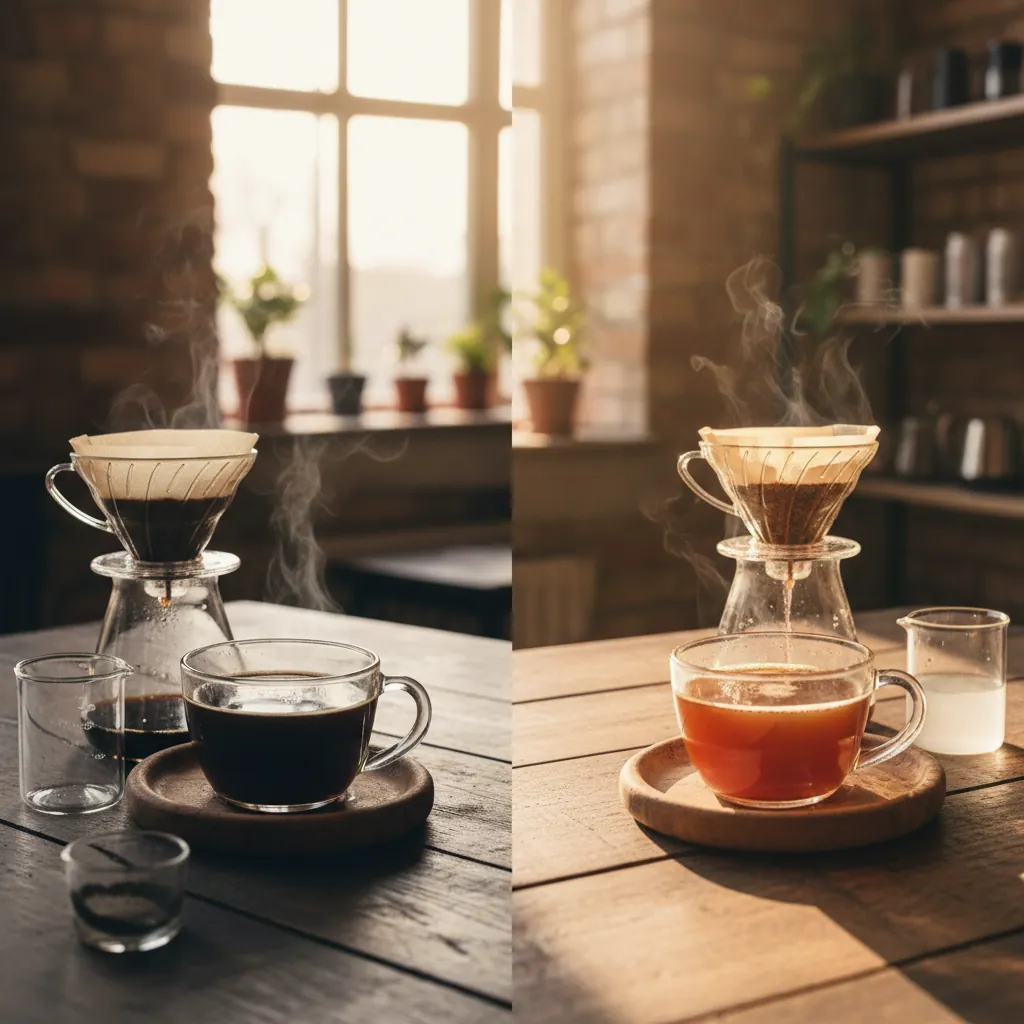
Over-Extracted vs Under-Extracted Coffee: How to Brew Perfectly Balanced Coffee
Contents
- What You’ll Need
- Step-by-Step
- Over vs Under Extraction: Key Differences
- Tips for Balanced Extraction
- Common Mistakes
- Variations
Coffee extraction occurs when water dissolves soluble compounds from ground coffee beans during brewing. The ideal extraction range is 18-22% of the coffee’s soluble solids—below 18% results in under-extracted coffee (weak, sour), while above 22% leads to over-extracted coffee (bitter, astringent). Balancing grind size, water temperature, brew time, and coffee-to-water ratio is key to achieving optimal flavor.
What You’ll Need
- Equipment: Coffee maker, scale, thermometer, timer
- Coffee amount: 50–60g per liter of water (adjust to taste)
- Grind size: Medium for pour-over, fine for espresso, coarse for French press
- Water ratio: 1:15 to 1:18 coffee-to-water (e.g., 20g coffee to 300ml water)
- Water temperature: 195°F–205°F (90°C–96°C)
Step-by-Step
- Measure coffee and water using a scale for accuracy.
- Grind beans to the appropriate size for your brewing method.
- Heat water to 195°F–205°F (90°C–96°C).
- Pre-soak (bloom) grounds with a small amount of water for 15–90 seconds.
- Brew remaining water, maintaining consistent contact time (e.g., 2–4 minutes for pour-over).
- Stop extraction promptly to avoid over-extraction.
Over vs Under Extraction: Key Differences
| Feature | Under-Extracted Coffee | Over-Extracted Coffee |
|---|---|---|
| Taste | Sour, weak, unbalanced | Bitter, harsh, astringent |
| Extraction % | Below 18% | Above 22% |
| Cause | Short brew time, coarse grind, low temp | Long brew time, fine grind, high temp |
| Fix | Increase brew time, finer grind, hotter water | Reduce brew time, coarser grind, cooler water |
Tips for Balanced Extraction
- Use fresh, high-quality beans.
- Adjust grind size: finer increases extraction, coarser decreases it.
- Monitor water temperature carefully—too hot risks over-extraction.
- Stir grounds gently during brewing for even saturation.
Common Mistakes
- Inconsistent grind size: Causes uneven extraction.
- Ignoring bloom phase: Leads to incomplete extraction.
- Using stale beans: Results in flat or off flavors.
Variations
- Cold brew: Uses room-temperature water and longer steep times (12–24 hours) for low-acidity, sweeter coffee.
- Espresso: Requires very fine grind and high pressure for concentrated flavor.
FAQ
How can I tell if my coffee is over-extracted?
Over-extracted coffee tastes intensely bitter and leaves a dry, unpleasant aftertaste.
Why does under-extracted coffee taste sour?
Sourness comes from under-developed acids that dominate before sweeter compounds extract.
Can I fix over-extracted coffee?
Dilute with hot water or milk to reduce bitterness, but adjusting your brewing method is better for future cups.
Does grind size affect extraction?
Yes—finer grinds extract faster, risking over-extraction, while coarser grinds extract slower, risking under-extraction.
What’s the ideal water temperature for brewing?
195°F–205°F (90°C–96°C). Cooler water under-extracts, while boiling water can scorch grounds.
Related guides
- Aeropress Brew Guide
- How to Brew Coffee with an AeroPress: A Complete Guide
- ☕ AeroPress Coffee Brewing Guide
- How to Make an Iced Americano: A Simple, Refreshing Coffee Drink
- Coffee Grind Size: The Complete Guide for Every Brewing Method