How to Brew Single-Origin Coffee for Maximum Flavor
How to Brew Single-Origin Coffee for Maximum Flavor
Contents
Single-origin coffee is grown within a single geographic location (farm, region, or country) and showcases unique flavor profiles influenced by its terroir. Unlike blends, it offers traceability and distinct taste notes like fruity, floral, or nutty characteristics. Brewing it correctly highlights these nuances.
What You’ll Need
- Coffee bean amount: 20g (for a 12oz cup)
- Grind: Medium-fine (similar to table salt)
- Water ratio: 1:16 (coffee to water)
- Equipment:
- Fresh single-origin beans
- Burr grinder
- Scale
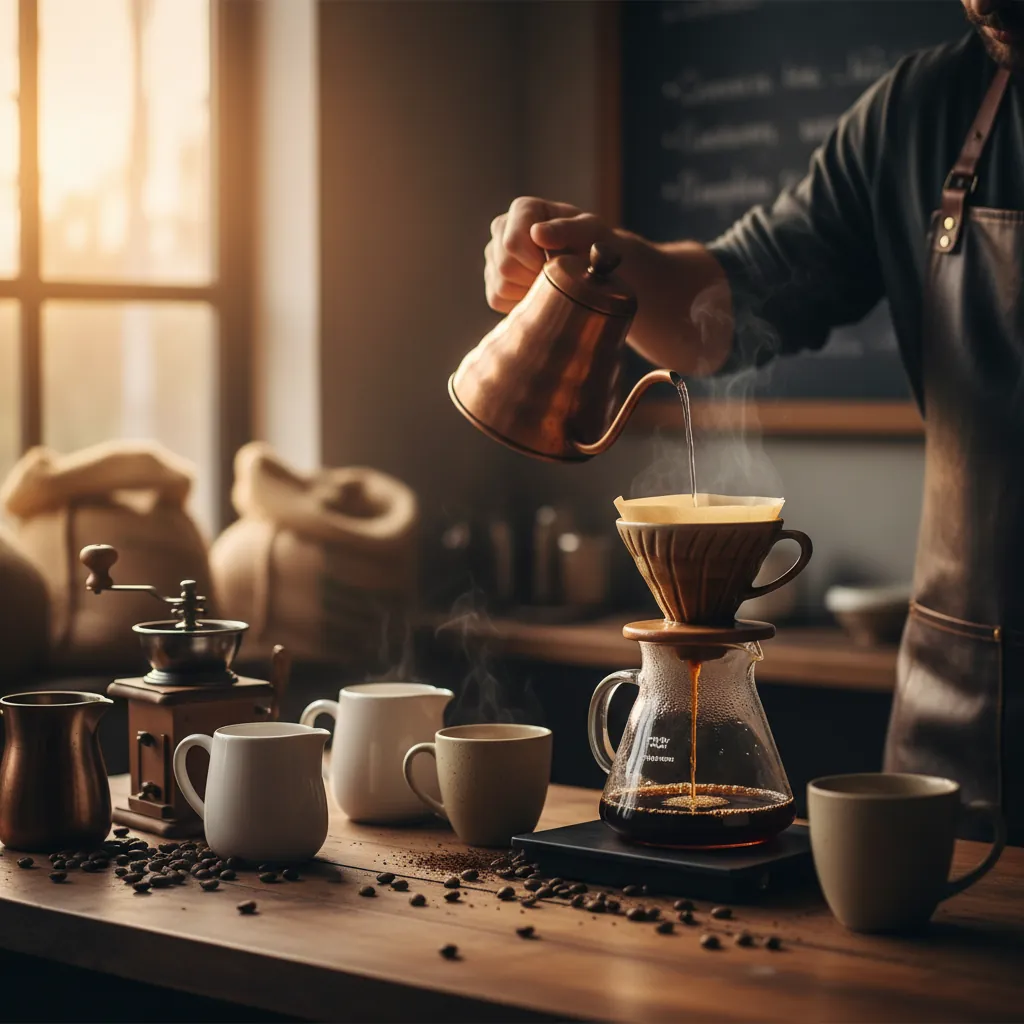
- Pour-over cone (e.g., V60) or French press
- Gooseneck kettle (for precision pouring)
- Filter (paper or metal)
Step-by-Step
- Heat water to 195–205°F (90–96°C).
- Grind beans to a medium-fine consistency.
- Rinse the filter with hot water to remove paper taste and preheat the brewer.
- Add coffee grounds to the filter and place on a scale.
- Bloom the coffee: Pour 50g of water evenly over the grounds, let it sit for 30 seconds.
- Pour slowly: Add remaining water in spiral motions, maintaining a consistent flow (total brew time: 2:30–3:00 minutes for pour-over).
- Serve immediately to enjoy the full flavor profile.
Tips
- Use freshly roasted beans (within 2–4 weeks of roast date).
- Adjust grind size: Finer for more extraction, coarser for less bitterness.
- Experiment with water temperature: Lower temps (195°F) highlight acidity; higher (205°F) enhance body.
Common Mistakes
- Inconsistent grind size: Causes uneven extraction.
- Skipping the bloom: Leads to under-extraction.
- Using stale beans: Masks origin characteristics.
Variations
- French press: Use a coarse grind, steep for 4 minutes for a fuller body.
- Aeropress: Fine grind, 1:15 ratio, 2-minute steep for intense clarity.
Single-Origin vs. Blends
| Feature | Single-Origin | Blends |
|---|---|---|
| Source | One farm/region | Multiple origins |
| Flavor | Distinct terroir notes | Balanced, consistent |
| Price | Often pricier | Generally more affordable |
| Best for | Black coffee, tasting notes | Milk-based drinks, espresso |
FAQ
Q: Why does single-origin coffee cost more?
A: It reflects limited supply, traceability, and specialized farming practices.
Q: Can I use single-origin for espresso?
A: Yes, but it may lack the crema and balance of blends. Adjust grind and dose carefully.
Q: How do I store single-origin beans?
A: In an airtight container away from light/heat. Avoid freezing to prevent moisture damage.
Q: Do all single-origin coffees taste fruity?
A: No—flavors vary by region (e.g., Ethiopian = floral, Sumatran = earthy).
Q: How fine should I grind for a pour-over?
A: Medium-fine (like sand), but adjust based on brew time and taste.
Related guides
- How to Brew Coffee with an AeroPress: A Complete Guide
- Coffee Grind Size: The Complete Guide for Every Brewing Method
- How to Make Café au Lait: A Simple French Coffee Drink
- How to Brew Coffee with a Chemex: Clean, Crisp, and Balanced
- Coffee to Water Ratio: The Complete Brewing Guide