Dark vs Light Coffee Roast: Key Differences and Best Brewing Methods
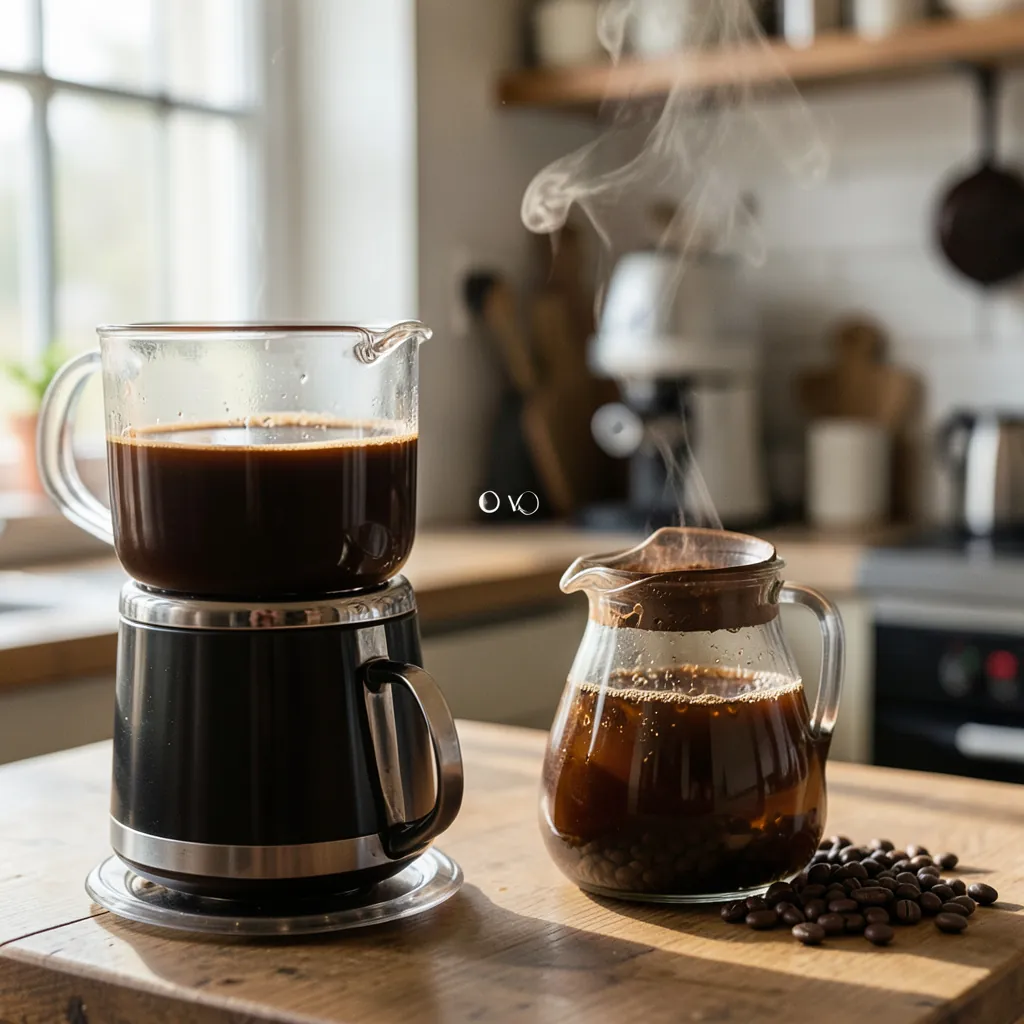
Dark vs Light Coffee Roast: Key Differences and Best Brewing Methods
Contents
☕ Light and dark coffee roasts differ primarily in roast duration, temperature, and resulting flavor profiles. Light roasts (380-400°F) highlight origin characteristics with bright, fruity notes, while dark roasts (440-480°F) develop smoky, chocolatey flavors through extended caramelization. Both work well with specific brew methods and personal taste preferences.
Quick Facts:
Method: Varies by roast (see table)
Difficulty: Beginner to intermediate
Coffee-to-Water Ratio: 1:15 to 1:18
Grind Size: Medium-fine (light) to coarse (dark)
Water Temp: 90-96°C (195-205°F)
Brew Time: 2-4 minutes
TL;DR: Use light roasts for bright, nuanced cups (pour-over/AeroPress) and dark roasts for bold, rich drinks (espresso/milk drinks).
What You Need
- Fresh coffee beans (light/dark roast, per preference)
- Scale (for accurate dosing)
- Burr grinder (adjustable grind size)
- Brewing device (see table for roast-specific recommendations)
- Filtered water (ideal mineral balance)
- Gooseneck kettle (for precise pouring)
- Thermometer (to monitor water temp)
Step-by-Step Brewing Guide
- Grind beans to appropriate size (finer for light, coarser for dark).
- Rinse filter to eliminate paper taste (if using paper filters).
- Bloom (light: 30-45s with 2:1 water; dark: 20-30s).
- Pour schedule:
- Light: Multiple slow pours (e.g., 60g pulses every 30s)
- Dark: Fewer, faster pours (e.g., continuous spiral pour)
- Drawdown: Adjust grind if needed (<4min total for light, <3min for dark).
Dialing It In
| Variable | Light Roast Adjustment | Dark Roast Adjustment |
|---|---|---|
| Ratio | 1:16 for clarity | 1:15 for body |
| Grind | Medium-fine | Medium-coarse |
| Water Temp | 93-96°C (200-205°F) | 90-93°C (195-200°F) |
| Time | 3:00-4:00 min | 2:00-3:00 min |
| Bloom | Longer (45s) | Shorter (30s) |
🔧 Troubleshooting
| Symptom | Light Roast Fix | Dark Roast Fix |
|---|---|---|
| Too bitter | Coarser grind, ↓time | ↑ratio (less coffee) |
| Too sour | Finer grind, ↑time | ↑temp (up to 95°C) |
| Weak/watery | Finer grind, ↑dose | ↓ratio (more coffee) |
| Channeling | Wetter bloom, ↓pour speed | Coarser grind |
💡 Pro Tips
- Swirl the bloom for even saturation (esp. light roasts).
- Pulse pour for light roasts to maintain temp stability.
- Preheat equipment thoroughly for dark roasts to avoid heat loss.
- Use soft water (50-100ppm) to highlight roast characteristics.
- Store beans airtight to preserve oils (critical for dark roasts).
❓ FAQ
Q: Does dark roast have more caffeine?
A: No—by weight, caffeine is nearly identical. By volume, light roasts may have slightly more due to denser beans.
Q: Best brew method for light roasts?
A: Pour-over (V60/Chemex) or AeroPress to highlight delicate flavors.
Q: Why does my dark roast taste ashy?
A: Over-extraction or stale beans—try coarser grind/shorter brew time + check roast date.
Q: Can I use pre-ground coffee?
A: Yes, but adjust brew time (shorter for pre-ground dark roast, longer for light).
Q: Ideal water temp for dark roasts?
A: 90-93°C (195-200°F) to avoid excessive bitterness.
Q: Best ratio for espresso?
A: 1:2 (18g in, 36g out) for dark roasts; 1:2.5 for lighter espresso roasts.
Related guides
- Arabica vs Robusta Coffee: Key Differences and Brewing Guide
- Light Roast vs. Dark Roast Coffee: Flavor, Brewing & Caffeine Explained
- How Is Decaf Coffee Made?
- How to Roast Coffee at Home: A Complete Beginner’s Guide
- How to Store Coffee Beans for Maximum Freshness